
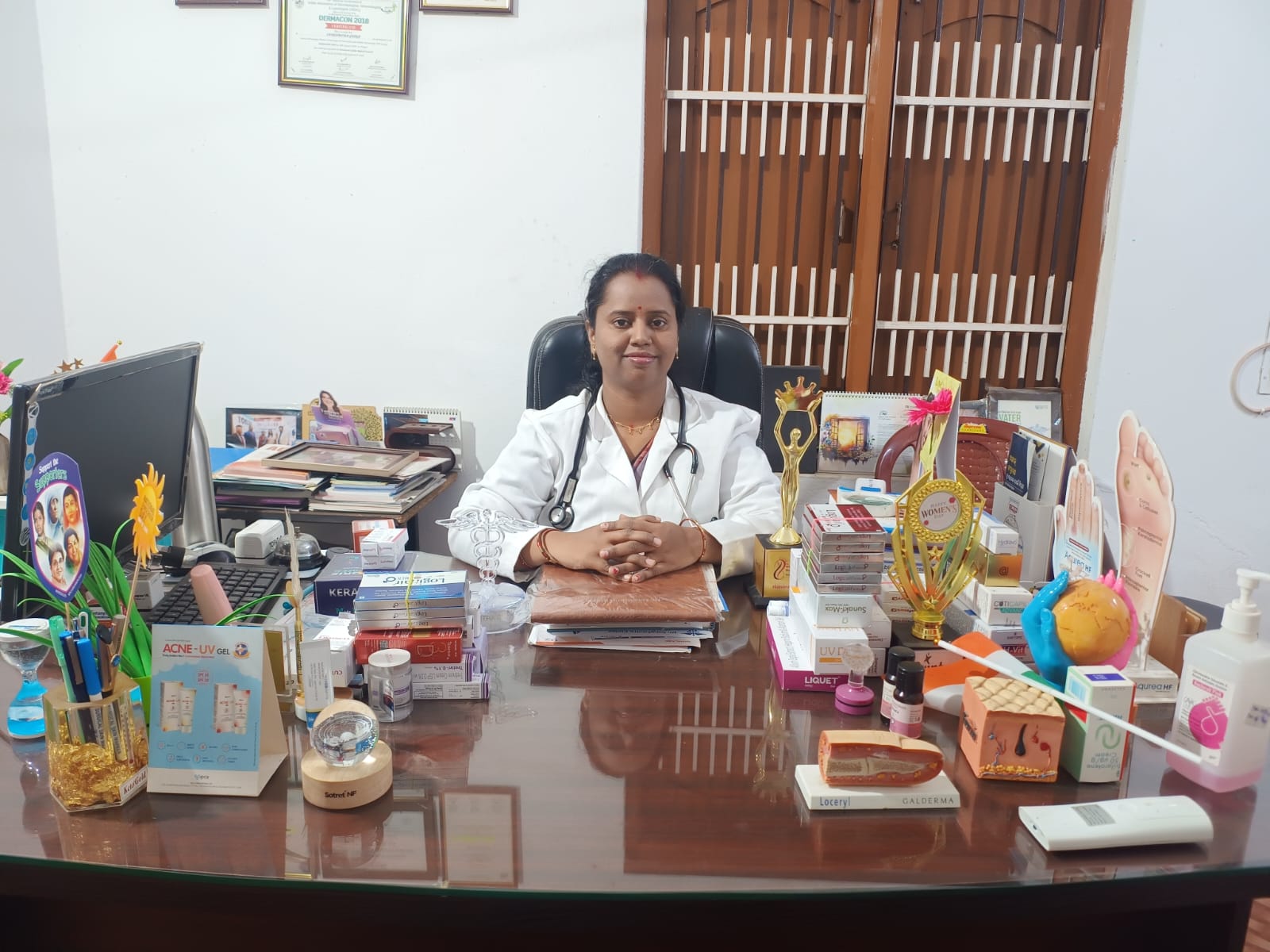
Dr. Sanghmitra Gudge

MBBS (Gold Medalist)
MD (Skin &VD)
SR (AIIMS, Jodhpur)
Assistant Professor (Index Medical College, Indore)
Ex-Consultant (ESI & Jagannath Hospital, BBSR)

Skin Scan Clinic Timing:
Mon, Wed, Fri - 5pm - 8pm
Tue, Thur, Sat - 9:30am - 11:30am
Dr. Sanghmitra Gudge receiving Gold Medal in MGM Medical College, Indore.

Dr. Sanghmitra's Patients

Our Objective

Skin Scan Clinic is an initiative by Dr. Sanghmitra Gudge to provide the best possible treatment for skin, hair and nail related disorders. She is a Gold Medalist of her batch which shows her uncanny knack towards academics and learning. She keeps herself updated of new and advanced treatments by attending conferences and CMEs.
Dr. Sanghmitra at Skin Scan Clinic believes in providing quality treatment to patients by reaching to a definitive diagnosis through proper clinical and non-clinical history taking. She gathers these information by listening very patiently to patients signs and symptoms. So patients from every nooks and corners of Odisha and abroad come with the faith to get cured.
Walk-in to Skin Scan Clinic and be rest assured.

Services

Allergy, Eczema
Eczema (atopic dermatitis) is a chronic, non-contagious condition causing itchy, inflamed, and dry skin, often triggered by immune system reactions to allergens like dust mites, pet dander, or irritants
Psoriasis
Psoriasis is a chronic autoimmune skin disease where an overactive immune system causes skin cells to build up rapidly, forming thick, itchy, scaly patches (plaques)
White Spot Pigmentation
White pigment spots on the skin (hypopigmentation) are caused by a loss of melanin, often resulting from conditions like tinea versicolor (fungal infection), sun damage (idiopathic guttate hypomelanosis), or pityriasis alba.
Melasma
Melasma causes brown or gray-brown patches, commonly on the cheeks, forehead, nose, and upper lip. Often linked to hormonal changes (pregnancy, birth control) and sun exposure, these spots are common in medium to dark skin tones.
Vitiligo
Vitiligo is a chronic, non-contagious skin condition caused by the immune system destroying pigment-producing cells (melanocytes), resulting in white patches on the skin and hair. While the exact cause is likely a mix of genetic and autoimmune factors, it is not life-threatening but can cause stress.
Fungal Infections
Fungal infections (mycosis) are skin, nail, or systemic diseases caused by yeast or mold overgrowth, thriving in warm, moist environments. Common types include athlete's foot, ringworm, and yeast infections. Symptoms involve itching, red rashes, discolored nails, and white patches.
Acne, Acne Scars & Acne Spots
Acne vulgaris is a common skin condition caused by hair follicles clogging with oil (sebum) and dead skin cells, leading to pimples, blackheads, and cysts. It is primarily caused by hormones, increased oil production, and bacteria, often affecting teens but impacting all ages.
Leprosy
Leprosy, or Hansen’s disease, is a chronic, curable infection caused by Mycobacterium leprae bacteria that affects the skin, peripheral nerves, upper respiratory tract, and eyes. It causes skin lesions, numbness, and nerve damage, spreading slowly through droplets from untreated cases, often taking years to show symptoms.
Corn, Callosity
Corns and calluses are thickened, hardened areas of skin caused by repeated friction or pressure, usually on feet or hands. Corns are smaller, deeper, and often painful with a hard center, typically on toes. Calluses are larger, broader, and rarely painful, found on pressure spots like heels or palms.
Skin Tags, Warts, Moles
Warts, moles, and skin tags are common, mostly benign skin growths, but they differ in cause and appearance. Warts are contagious viral (HPV) infections with a rough surface. Moles are pigmented, often genetic, cell clusters. Skin tags are soft, harmless, skin-colored growths caused by friction.
Alopecia
Alopecia is the general medical term for hair loss, ranging from temporary thinning to permanent baldness caused by genetics, hormonal changes, medical conditions, or immune system attacks. Common types include androgenetic alopecia (pattern baldness) and patch-based immune-mediated loss.
Hair Fall
Hair fall is often caused by genetics, hormonal changes (PCOS, thyroid), nutritional deficiencies (iron, protein, zinc), chronic stress, and hair damage from styling. While losing 50–100 strands a day is normal, excessive shedding indicates a need for lifestyle changes or medical attention.
Hair Thinning
Hair thinning is a gradual reduction in hair density caused by factors like genetics, hormonal shifts, nutritional deficiencies, and stress, often resulting in a wider part or increased scalp visibility. Unlike sudden shedding, this gradual weakening affects both men and women, frequently around the crown or temples.
Dandruff
Dandruff is a common, chronic scalp condition characterized by white or yellow, itchy, flaking skin, often caused by the yeast Malassezia feeding on scalp oils.
Chemical Hair Damage
Chemical hair damage occurs when treatments like bleach, dye, relaxers, and perms alter the hair's internal structure, breaking protein (keratin) bonds and stripping natural oils. Signs include extreme dryness, brittleness, high porosity, split ends, and breakage.
Hair Infections
Hair fungal infections, often called scalp ringworm or tinea capitis, are contagious infections caused by fungi (dermatophytes) that thrive in warm, damp areas, commonly causing itchy, scaly, bald patches, and brittle, breaking hair.
Pyoderma
Pyoderma is a general term for pus-filled skin infections, often caused by bacteria like Staphylococcus aureus. Common types include impetigo, folliculitis, and carbuncles. Symptoms include itchy, crusty, or pussy lesions, while a specific, rare form called Pyoderma Gangrenosum causes deep, painful ulcers.
Nail Infections
Nail infections, commonly caused by fungus (onychomycosis) or bacteria (paronychia), typically involve yellowing, thickening, or brittleness of the nail, or redness/pus around the nail edge. Common causes include prolonged moisture exposure, injury, or walking barefoot in communal areas.
Brittle Nails
Brittle nails (onychorrhexis or onychoschizia) are a common, often treatable condition affecting 20% of the population, characterized by weak, splitting, or peeling nails. They are caused by moisture loss, harsh chemicals, nutritional deficiencies (iron/zinc), or conditions like hypothyroidism.
Ingrowing Toe Nail
An ingrown toenail occurs when the side of a toenail grows into the surrounding skin, causing pain, redness, swelling, and potential infection, usually on the big toe. Treatment involves warm water soaks, pain relief, and proper trimming, with partial nail removal for severe cases.
Discoloration Of Nail
Nail discoloration (chromonychia) ranges from yellow or brown to green or black, often caused by fungal infections, trauma, or, for example, nail polish staining. Common causes include fungal infections (onychomycosis), trauma/bruising, medications, and smoking.
Oral Ulcers
Mouth ulcers are small, painful white or yellow sores with red borders that appear inside the mouth (cheeks, tongue, gums). Caused by minor injuries, stress, or vitamin deficiencies.
Sexually Transmitted Diseases
Sexually transmitted infections (STIs/STDs) are infections passed through vaginal, anal, or oral sex, caused by bacteria (chlamydia, syphilis, gonorrhea) or viruses (HIV, HPV, herpes). Symptoms include discharge, genital sores, or pain, but many are asymptomatic.
Scroll to Top